Rosemary Extract is really making waves across the globe these days. People are using it more and more, whether it’s in cooking, beauty products, or even for health reasons. It’s pretty clear that buyers worldwide are looking for top-quality Rosemary Extract to keep up with increasing demand. You’ll find tons of companies selling it, but here’s the thing — not all extracts are created equal. It’s super important to know where it’s coming from and how it’s processed.
When it comes to herbs like rosemary, quality really does matter. A good supplier will make sure their extract keeps all the essential compounds that give it that signature flavor and potential health perks. If you’re on the hunt, look for suppliers with a solid reputation for quality. Certifications can help give some peace of mind, but honestly, they’re not always a guarantee — some companies just use marketing to make things sound better than they really are.
With so many options out there, making smart choices is more important than ever. Knowing what to look for in Rosemary Extract can help you pick the good stuff and avoid misleading claims. Usually, the best extracts come from organic sources, but you should still stay cautious — it’s a tricky industry, and not everything you hear is true. Taking the time to do your research ensures you’re getting a product that truly lives up to high standards and works as promised.
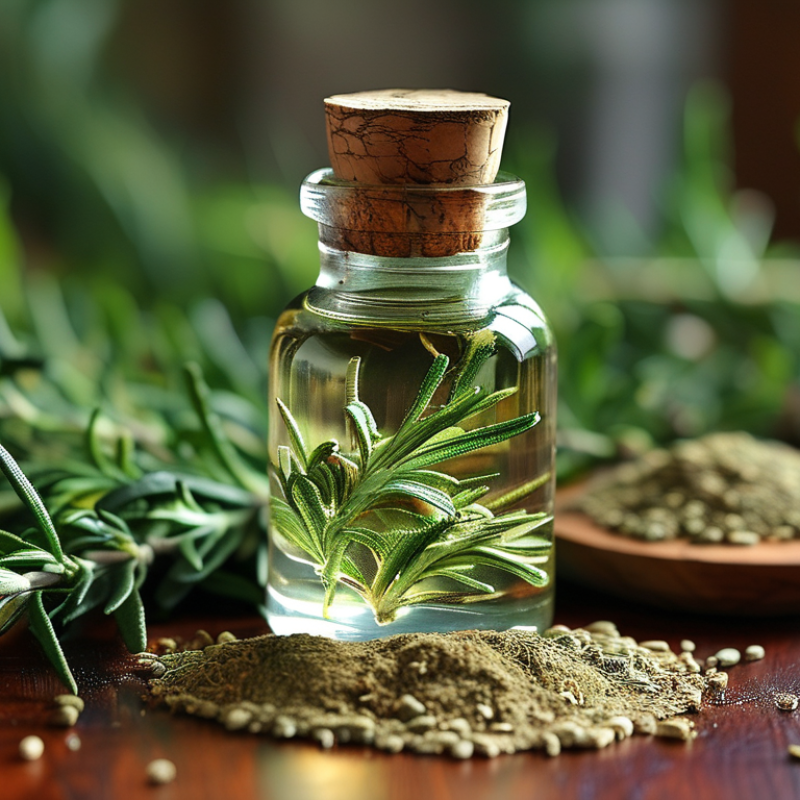
What is Rosemary Extract and Its Importance in Global Markets?
Rosemary extract has gained significant attention in global markets for its versatile applications. It is derived from the herb Rosmarinus officinalis, known for its aromatic properties. This extract is rich in antioxidants, which help combat oxidative stress. According to a recent market report, the global rosemary extract market is projected to reach $1.5 billion by 2027, reflecting a growing interest across various sectors.
The importance of rosemary extract spans food, cosmetics, and pharmaceuticals. In the food industry, it serves as a natural preservative and flavoring agent. The cosmetics sector uses it for its anti-inflammatory and antimicrobial properties. In pharmaceuticals, rosemary extract is being explored for its potential health benefits. However, sourcing quality rosemary extract can be challenging. Some suppliers may not adhere to rigorous quality standards.
Tips: Always ask for detailed product specifications. Ensure your supplier provides certificates of analysis. Researching the supplier’s reputation is crucial.
Another consideration is the varying quality of rosemary extract available in the market. Some extracts may contain impurities or lack potency. This discrepancy can affect both efficacy and safety. Buyers should focus on suppliers that prioritize transparency and quality assurance. Keeping an eye on market trends can also reveal shifts in consumer preferences and demands.
Key Characteristics and Quality Standards for Rosemary Extract
When evaluating the quality of rosemary extract, several key characteristics play a crucial role. The primary active compounds in rosemary, including rosmarinic acid and essential oils, determine its efficacy. A 2020 report by the International Journal of Food Science indicated that Natural Rosemary Extract can have a significantly higher antioxidant capacity compared to synthetic alternatives.
Purity is essential for quality assessment. Buyers should check for concentrations of polyphenols and understand the extraction process. Research suggests that extracts with 8-10% carnosic acid showcase superior stability and performance in various applications. The method of extraction, whether steam distillation or cold pressing, also impacts the final product’s quality.
Tips: Always request lab analysis results when sourcing rosemary extract. This ensures the product meets industry standards. Look for certifications to verify production methods and ingredient purity. Regularly review suppliers to ensure they maintain high quality, as variability can occur. Remember, the best products often reflect thorough sourcing and transparency from producers.
Top Quality Rosemary Extract for Global Buyers? - Key Characteristics and Quality Standards for Rosemary Extract
| Characteristic |
Quality Standard |
Testing Method |
Acceptable Range |
| Rosmarinic Acid Content |
Minimum 8% |
HPLC (High-Performance Liquid Chromatography) |
8% - 18% |
| Essential Oil Content |
Minimum 2% |
Steam Distillation |
2% - 5% |
| Total Phenols |
Minimum 5% |
Folin-Ciocalteu Method |
5% - 15% |
| Microbial Load |
Must meet regulations |
Standard Plate Count |
|
| Heavy Metals |
Must meet safety regulations |
ICP-MS (Inductively Coupled Plasma Mass Spectrometry) |
|
Major Sources and Production Regions of Rosemary Extract Worldwide
Rosemary extract, derived from the herbal plant Rosmarinus officinalis, has seen a surge in demand globally. Major production regions include the Mediterranean, southern Europe, and parts of North Africa. These areas provide the ideal climate for rosemary cultivation, ensuring optimal growth and extract quality. According to a recent industry report, the global rosemary extract market is projected to reach USD 300 million by 2026, growing at a CAGR of 7.8%. This growth indicates increasing consumer interest in natural ingredients.
In the Mediterranean region, particularly Spain and Italy, rosemary thrives in mineral-rich soil. These countries are key suppliers, leveraging their indigenous knowledge for optimal cultivation practices. Harvesting typically occurs during the flowering stage for maximal essential oil extraction.
Conversely, North Africa also plays a role, though agricultural practices there vary in consistency. Some regions face challenges related to climate change and water scarcity, impacting production quality.
However, sourcing rosemary extract isn't without its complexities. Variability in soil conditions and climate factors affects oil composition and potency. Buyers must navigate this inconsistency to ensure high-quality extracts for their products. Ongoing research highlights the importance of sustainable practices to enhance both yield and quality. This reflection on sourcing reminds us that quality assurance in ingredient selection remains paramount in today's market.
Benefits and Applications of Rosemary Extract in Various Industries
Rosemary extract plays an important role in several industries. The beauty sector, for instance, uses this extract for its natural antioxidant properties. A study published by the Journal of Cosmetic Science highlighted that rosemary extract can help in preserving skin elasticity and reducing wrinkles. This is particularly valuable in an age where consumers prefer natural ingredients.
In the food industry, rosemary extract serves as a natural preservative. According to a report by the Institute of Food Technologists, it effectively inhibits the growth of bacteria and fungi. This makes it a popular choice among food manufacturers. Notably, the demand for natural preservatives is expected to reach $1.5 billion by 2026. Such statistics reflect a significant shift towards healthier consumer choices.
Moreover, the pharmaceutical realm increasingly embraces rosemary extract. Researchers have identified its potential anti-inflammatory and antimicrobial properties. These findings open avenues for new product formulations. However, the variability in extract quality poses challenges for manufacturers and Rosemary Extract suppliers. Ensuring standardization and potency remains a critical area for ongoing improvement and regulation.
Factors Influencing the Global Demand for Rosemary Extract
The global demand for rosemary extract is increasingly influenced by several key factors. First, the rising consumer preference for natural and organic products is driving the market. According to a recent report by Grand View Research, the global rosemary extract market is projected to reach USD 1.2 billion by 2025. This shift towards organic options is seen across food, cosmetics, and pharmaceutical sectors, making rosemary extract a sought-after ingredient.
Moreover, the growing awareness of health benefits plays a significant role. Rosemary extract is known for its antioxidant and anti-inflammatory properties. Studies indicate that antioxidants help reduce the risk of chronic diseases, appealing to health-conscious consumers. In fact, the increasing prevalence of lifestyle diseases has fueled interest in functional foods rich in natural extracts. However, sourcing high-quality rosemary may pose challenges, impacting supply chain reliability.
Additionally, regulatory conditions affect demand. Standards for food safety and quality are becoming more stringent worldwide. Companies must ensure compliance to meet market expectations, which may increase production costs. The emphasis on quality control is essential in maintaining trust in the product. Unfortunately, not all suppliers uphold these high standards. Buyers often face a dilemma in selecting reliable sources without overspending.
Quality Control Measures in the Production of Rosemary Extract
Quality control measures are essential in producing top-quality Rosemary Extract. The extraction process must begin with the selection of premium rosemary herbs. These herbs should be fresh, aromatic, and sourced from reputable farms. Proper storage conditions also play a vital role in maintaining the herbs’ integrity. Any compromise in storage can lead to diminished active compounds in the final product.
Testing the rosemary extract at various stages is crucial. Each batch should undergo laboratory analysis to ensure it meets established standards. Common tests include assessing the levels of rosmarinic acid and other key bioactives. These components are vital for the health benefits attributed to rosemary extract. Many producers invest in advanced technology to accurately analyze and ensure the quality.
Unfortunately, not all operations adhere to strict quality measures. Some might cut corners to reduce costs, compromising the extract's effectiveness. This trend raises concerns for buyers aiming for authentic products. It is essential for consumers to research suppliers who prioritize quality control. Transparency in the production process establishes trust and ensures the rosemary extract’s reliability. Choosing the right supplier can make a significant difference in the quality of the final product.
Trends and Future Outlook for Rosemary Extract in International Trade
The demand for rosemary extract is witnessing a significant uptrend in international markets. A report from Grand View Research shows that the global rosemary extract market could reach USD 1.2 billion by 2027, growing at a remarkable CAGR of 10.1%. It highlights the increasing preference among consumers for natural ingredients in their dietary supplements. The market diversity is reflected in various applications, including cosmetics, food preservation, and herbal supplements.
With the growing focus on health and wellness, buyers are increasingly searching for high-quality ingredients. The rise in awareness of the antioxidant properties of rosemary extract adds value. However, the supply chain remains a challenge. Sourcing quality rosemary extract, particularly in bulk, demands sustainable agricultural practices. Producers must adhere to stringent quality standards, yet inconsistencies in crop yield can affect availability. This situation could lead to price volatility, urging buyers to reassess their sourcing strategies.
Moreover, the competition in the botanical extract sector is intense. Though there is increasing demand for rosemary extract, producers must also explore complementary products. The growing interest in supplements such as Bulk Horse Chestnut Extract indicates a market trend toward more diverse offerings. As buyers look for Horse Chestnut Extract for Dietary Supplements, the market may shift further, impacting the dynamics of rosemary extract sourcing. Exploring these trends can shed light on future market strategies for international trade in natural extracts.
Unlocking Cognitive Potential: A Comprehensive Analysis of 100% Natural Phosphatidylserine Powder from Soybean Extracts and Market Trends
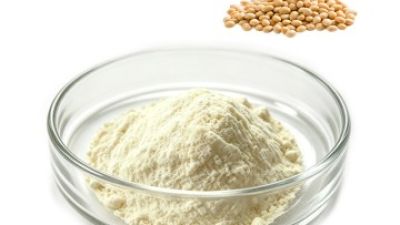
Unlocking cognitive potential has become a prominent focus in health and wellness discussions, particularly regarding the use of natural supplements. Among the various supplements available, phosphatidylserine derived from soybean extracts stands out due to its 100% natural formulation. This compound is known for its ability to support cognitive functions, enhance memory, and improve overall brain health. With the growing demand for natural cognitive enhancers, the market for phosphatidylserine has seen significant trends toward plant-based solutions, catering to consumers' preference for sustainable and natural ingredients.
Phosphatidylserine from soybean and sunflower sources is available in multiple specifications, including 20%, 50%, and 70% concentrations. This versatility in potency allows for customization according to individual needs and preferences. The product appears as an off-white powder, aligning with the clean and natural aesthetic that consumers seek. Recognized standards such as ISO, USP, and EP ensure that the product meets high-quality benchmarks, providing reassurance to users regarding safety and efficacy. Manufacturers often offer flexibility in delivery options and packaging, with choices ranging from standard drum sizes to customized solutions, catering to businesses of all sizes. With a shelf life of two years, phosphatidylserine can be stored under optimal conditions, promoting longevity and effectiveness.
FAQS
: The primary active compounds include rosmarinic acid and essential oils.
Check for polyphenol concentrations and understand the extraction process used.
Purity indicates the extract's quality and efficacy in various applications.
Common methods include steam distillation and cold pressing.
Major regions include the Mediterranean, southern Europe, and parts of North Africa.
Variability in climate and soil conditions can influence oil composition and potency.
There is a growing preference for natural and organic products across various sectors.
It is known for antioxidant and anti-inflammatory properties, appealing to health-conscious consumers.
Lab results ensure the product meets necessary quality and industry standards.
Inconsistency in supply chains and varying production practices can complicate sourcing.
Conclusion
Rosemary Extract is a valued botanical product known for its diverse applications across various industries, including food, cosmetics, and pharmaceuticals. The extract is derived from the rosemary plant, which is recognized for its strong antioxidant properties and potential health benefits. Given its importance, understanding the key characteristics and quality standards of Rosemary Extract is essential for global buyers. The production of this extract is concentrated in specific regions worldwide, influenced by climate and agricultural practices.
Factors such as increasing consumer demand for natural preservatives and the growing trend towards herbal products significantly impact the global market for Rosemary Extract. Quality control measures throughout the production process ensure that high standards are met, thus boosting buyer confidence in this popular ingredient. As global interest in natural health products continues to surge, the outlook for Rosemary Extract remains positive, indicating strong potential for growth in international trade.