In today's fast-changing market for natural compounds, finding a reliable source for Ursolic Acid has become more important than ever for buyers around the world. Dr. John Smith, a well-known expert in plant chemistry, points out that, "Getting a trustworthy supplier for Ursolic Acid can really make or break your product's quality and effectiveness." As more folks realize the health benefits of this compound, demand’s only going up, and it’s no surprise.
But let's be honest, sourcing can be tricky. Tons of suppliers out there don’t always be fully transparent about how they produce their stuff, which can leave you wondering about the purity of the Ursolic Acid they’re selling. It’s pretty crucial to understand how they extract it and what kind of quality checks they have in place. Chatting with industry insiders or experts can definitely give you some good insights. And don’t forget—always verify what potential suppliers tell you to steer clear of costly mistakes.
On top of that, it’s smart to explore various avenues—trade shows, online marketplaces, you name it—to find different options. But keep in mind, not every vendor out there is top-notch. Some might focus more on cutting corners to save costs, and that’s risky. So, doing your homework and building strong relationships with reputable manufacturers can pay off big time in the long run.

Understanding Ursolic Acid: Properties and Benefits
Ursolic acid is a naturally occurring compound found in various fruits and herbs. This substance is known for its numerous health benefits. It boasts anti-inflammatory and anti-cancer properties. Additionally, it supports muscle growth and may help manage weight. These attributes make ursolic acid a valuable ingredient in dietary supplements and cosmetic products.
When sourcing ursolic acid, it's essential to consider quality. Seek suppliers who provide detailed information about their extraction methods. Transparency in ingredient sourcing indicates reliability. Many raw materials are subject to contamination or mislabeling. Ensure that the supplier conducts regular testing to verify purity.
Quality control is crucial. Look for certificates of analysis that confirm the absence of harmful contaminants. Without this, the product may not deliver the expected benefits. Users should also be cautious about dosage recommendations, as they often vary. Staying informed about the latest research can enhance understanding. Consider reaching out to industry experts for guidance.
Identifying Global Suppliers of Ursolic Acid
Sourcing Ursolic Acid can be a meticulous task, but understanding the global supplier landscape is vital. Ursolic Acid is valued for its potential health benefits and applications in various industries. To ensure a successful sourcing experience, buyers should focus on identifying reputable suppliers who demonstrate expertise and reliability in the field. This involves thorough research, including reviewing suppliers' credentials and their experience with Ursolic Acid.
When examining potential suppliers, consider their track record. Have they supplied Ursolic Acid to notable companies? Gathering information on their production processes is also essential. Sustainable practices are increasingly important. Ask for certifications or proof of compliance with international standards. Such considerations enhance the credibility of the supplier and ensure product quality.
Identify suppliers who engage in transparent communication. This often indicates their reliability. Inquire about sourcing raw materials and production methods. Understand their pricing strategies and lead times. Finally, seek recommendations from industry contacts to find trusted suppliers. A network can provide invaluable insights.
Sourcing Ursolic Acid is not without challenges. It’s essential to reflect on your own needs and define quality standards. Be prepared to face setbacks, and treat each interaction as a learning opportunity. Engaging in a dialogue with suppliers can promote innovation and foster long-term partnerships. Embrace a flexible approach in the sourcing process.
Evaluating Quality Standards for Ursolic Acid
When evaluating quality standards for ursolic acid, it is crucial to understand its sourcing. Industry reports indicate that ursolic acid purity is key. A minimum purity level of 98% is often recommended. Impurities can affect the efficacy and safety of the final product. Buyers should request comprehensive certificates of analysis (CoA) from suppliers. These documents should confirm the purity and identity of the ursolic acid.
Buyers must also consider the sourcing environment. Reports show that ursolic acid derived from organic sources may exhibit superior quality. The method of extraction can also influence the final product. Buyers should ask about extraction methods used by suppliers. Solvent extraction often yields different results compared to steam distillation.
Tips: Look for suppliers with ISO certifications. This underscores their commitment to quality standards. Checking third-party testing can add an extra layer of assurance. Buyers might want to engage with trusted industry groups for recommendations. Quality assurance is vital, as is staying informed about industry best practices.
Sourcing Strategies for Ursolic Acid: Local vs. International
When sourcing ursolic acid, buyers must weigh local versus international options. Local suppliers often provide easier communication and faster shipments. However, sourcing from international suppliers can offer broader options and potentially lower costs. Each strategy carries its own challenges.
Local sourcing may limit the variety of ursolic acid available. Often, local suppliers cannot meet large volume needs. Additionally, quality consistency can be a concern. International suppliers may provide diverse products and competitive prices but often require navigating complex logistics and regulations. Clear communication is vital. Misunderstandings can arise, affecting product quality and delivery schedules.
Buyers should conduct thorough research. Evaluating supplier credentials is crucial. Look for those with industry certifications and a solid reputation. It's wise to gather samples before committing to larger orders. Even with rigorous checks, there may be misalignments in expectations. Always clarify terms and conditions. Engaging in pilot projects can mitigate risks. Finding the right balance between local and international sourcing depends heavily on the buyer's specific needs and resources.
Logistical Considerations for Importing Ursolic Acid
When sourcing ursolic acid, logistical considerations are critical for global buyers. Understanding shipping routes is essential. Analyze the best methods to transport this compound. Airfreight offers speed but can be costly. Sea freight is cheaper but slower. Both options have pros and cons. Consider your timeline and budget when deciding.
Regulatory requirements can significantly impact logistics. Countries have various import regulations. Research the documentation needed for customs clearance. Accurate paperwork is vital. Missing documents can delay shipments. Additionally, working with reliable freight forwarders can simplify the process. They can navigate the complexities of international shipping.
Quality assurance is another key factor. Develop relationships with suppliers that prioritize integrity. Request samples to verify the quality before committing. This ensures that the ursolic acid meets your specifications. Maintaining quality standards is essential for any business, especially in the Amino Acid sector. A focus on quality protects your reputation and builds trust with your customers.
Regulatory Compliance for Sourcing Ursolic Acid Worldwide
Regulatory compliance is crucial when sourcing Ursolic Acid globally. Different countries have unique regulations. Knowledge of these laws is essential for successful transactions. According to a 2021 report by the Global Regulatory Affairs Association, over 60% of companies faced compliance challenges in international markets. Understanding these regulations can prevent costly delays.
Documentation requirements vary. Importers must ensure that all necessary certificates are in place. These may include Quality Assurance and Certificate of Analysis. A 2022 study by the International Journal of Regulatory Science revealed that 45% of importers were unaware of evolving regulations. Staying informed is necessary for overcoming these challenges.
Additionally, sourcing from reputable suppliers fosters compliance. Conducting due diligence on potential partners is vital. Industry standards recommend audits and certifications before establishing contracts. However, balancing cost and quality can be difficult. Many buyers may prioritize price over compliance, leading to issues. Thus, investing in quality assurance can mitigate risks in the long run.
How to Source Ursolic Acid for Global Buyers? - Regulatory Compliance for Sourcing Ursolic Acid Worldwide
| Country |
Regulatory Body |
Regulations Summary |
Sourcing Considerations |
Potential Suppliers |
| USA |
FDA |
Must comply with DSHEA. |
Consider GMP certified manufacturers. |
Available in several states. |
| EU |
EFSA |
Compliance with EU food law. |
Check for Novel Foods authorization. |
Numerous suppliers across member states. |
| China |
CFDA |
Adhere to national standards. |
Verify supplier certifications. |
Many local producers available. |
| India |
FSSAI |
Must comply with FSSAI regulations. |
Examine quality through audits. |
Numerous manufacturers catering to global needs. |
| Japan |
MHLW |
Follow Food Sanitation Act. |
Rigorously check supplier credentials. |
Growing market for herbal extracts. |
Building Relationships with Ursolic Acid Manufacturers and Distributors
Building strong relationships with Ursilic acid manufacturers and distributors is key for global buyers. Establishing trust is vital. Start by researching reputable suppliers in the market. According to recent industry reports, the global ursolic acid market is projected to grow at a CAGR of 6% from 2021 to 2026. This growth highlights the increasing demand from the cosmetic and pharmaceutical sectors.
Engage with manufacturers through trade shows and seminars. These events provide opportunities to meet potential partners directly. Networking allows buyers to gauge the capabilities and reliability of suppliers. Effective communication is crucial; ask about production processes, quality control measures, and sourcing of raw materials. Transparency may indicate a trustworthy supplier.
Consider initiating small orders to test quality and service. This step helps in evaluating performance without significant investment. It also lays the foundation for long-term partnerships. However, remain aware of the potential for inconsistency in supply. Regular assessments can mitigate risks. Building lasting relationships with reliable manufacturers takes time, patience, and a clear strategy.
Ursolic Acid Sourcing Trends
Exploring the Benefits and Applications of 98% Rosmarinic Acid: A Comprehensive Guide to Natural Rosemary Extract Supplier
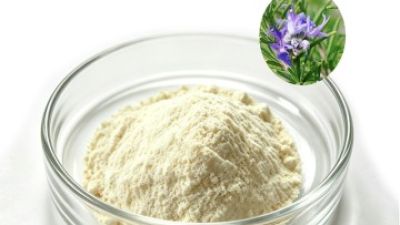
Rosmarinic acid, a powerful compound sourced from Rosmarinus officinalis, has gained attention for its numerous health benefits and versatile applications. As a natural extract, it offers concentrations ranging from 5% to an impressive 98%, allowing for flexibility depending on the intended use. Its rich brown-yellow to off-white powder form makes it suitable for incorporation into various products, including dietary supplements, cosmetics, and herbal formulations.
The benefits of rosmarinic acid extend beyond its appealing properties; it is renowned for its anti-inflammatory, antioxidant, and antimicrobial effects. These qualities make it a valuable ingredient in personal care products where skin protection and nourishment are desired. Additionally, its potential in food preservation showcases its versatility, providing a natural solution to enhance shelf-life while maintaining product quality.
When sourcing rosmarinic acid, reliable suppliers offer a range of packaging options, such as 20kg drums or 1kg bags, accommodating different project scales. With a shelf life of up to two years when stored away from sunlight in a dry environment, this extract is not only beneficial but also practical for various manufacturing processes. Whether for health products or cosmetic applications, the utilization of 98% rosmarinic acid presents an excellent opportunity to harness the natural advantages of rosemary extract.
FAQS
: Ursolic acid is a natural compound found in fruits and herbs, known for its health benefits.
It has anti-inflammatory, anti-cancer, and muscle growth properties. It may also aid in weight management.
Look for suppliers who provide extraction details and regular testing for product purity.
Quality control ensures the product is free from harmful contaminants. This impacts effectiveness and safety.
Assess shipping routes, costs, and customs regulations to ensure smooth delivery.
Research reputable manufacturers, attend trade shows, and engage in open communication about their practices.
Start with small orders to test quality and reliability before making a bigger investment.
Transparent suppliers are often more trustworthy and reliable in providing quality ingredients.
Follow industry updates, consult experts, and attend relevant seminars for the latest information.
Inconsistent supply and poor quality can damage your reputation and customer trust.
Conclusion
Ursolic Acid is a natural compound known for its various health benefits, including anti-inflammatory and antioxidant properties. To successfully source Ursolic Acid, it is essential to understand its attributes and the market landscape. This involves identifying reliable global suppliers and assessing the quality standards they adhere to, ensuring that the product meets industry regulations.
When sourcing Ursolic Acid, buyers should consider both local and international strategies, weighing the pros and cons of each approach. Logistical factors also play a crucial role in importing the compound, requiring meticulous planning to navigate shipping and customs procedures. Additionally, maintaining compliance with regulatory frameworks is vital for a smooth sourcing process. Building strong relationships with manufacturers and distributors can further enhance procurement efforts, allowing buyers to secure quality Ursolic Acid efficiently.