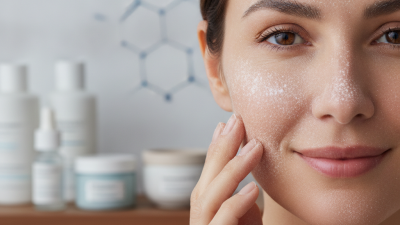
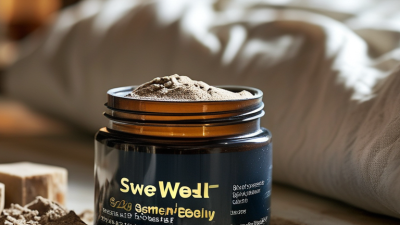
Have you heard about Niacinamide Powder? It's been creating quite a buzz in the skincare world lately. According to a report I came across from Grand View Research, the global skincare market’s set to hit around $183 billion by 2025—that's a massive jump, and a big part of that hype is due to ingredients like niacinamide gaining popularity. Totally understandable, right?
So, what's the fuss all about? Well, Niacinamide Powder is known for being a bit of a skincare all-rounder. It can do wonders for your skin texture, help minimize those pesky pores, and even give your complexion a nice, healthy glow. I read in the Journal of Cosmetic Dermatology that it can actually reduce hyperpigmentation and boost moisture levels—pretty awesome stuff! Many folks who've tried it swear they saw noticeable improvements in just a few weeks once they added it to their routines.
Of course, it’s not an instant miracle for everyone. Some people might experience a bit of irritation at first or see results that vary. So, my advice? Always patch-test it first and introduce it gradually—better safe than sorry! Overall, with support from dermatologists and glowing reviews from users, Niacinamide Powder really seems to hold its place as a skincare superstar, don’t you think?
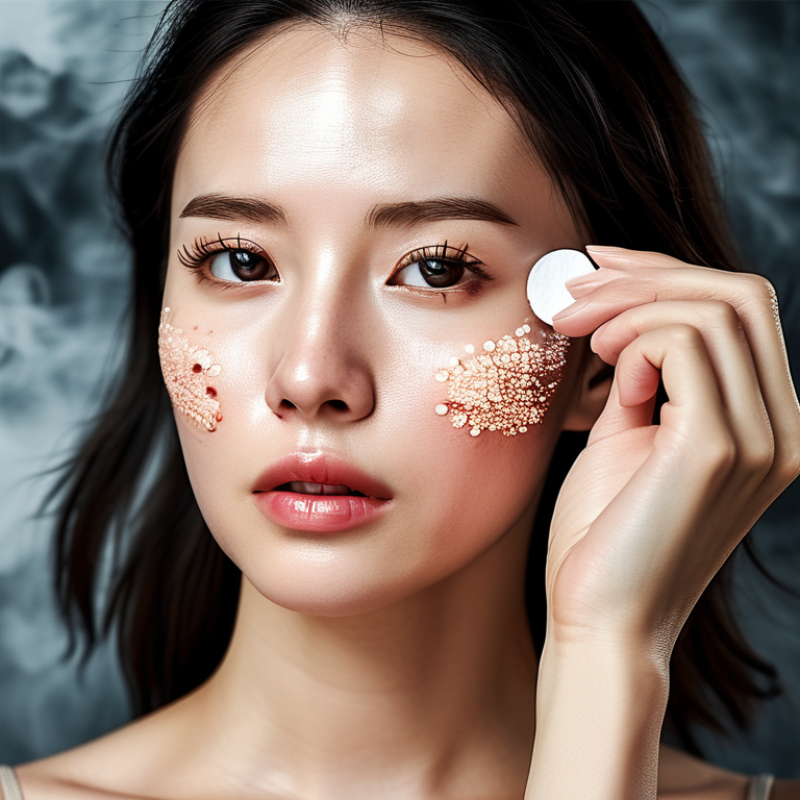
How Niacinamide Powder Works: The Science Behind Its Skincare Benefits
Niacinamide powder, a water-soluble form of vitamin B3, offers significant skincare benefits backed by scientific research.
It's known to improve skin elasticity, enhance barrier function, and reduce inflammation.
According to the Journal of Clinical and Aesthetic Dermatology, 82% of participants noted visible skin improvements after consistent niacinamide use over 12 weeks.
The mechanism behind niacinamide’s effectiveness lies in its ability to boost keratinocyte proliferation and stimulate ceramide synthesis.
These actions help retain skin moisture. A study in the International Journal of Cosmetic Science found that after four weeks,
participants saw a 25% reduction in fine lines and wrinkles. This suggests that niacinamide acts as a potent anti-aging ingredient.
However, not all skin types react the same way. Some may experience irritation or redness, especially with high concentrations.
Therefore, it's vital to start with lower doses and monitor the skin's response.
Personalized formulation can enhance efficacy while minimizing adverse effects.
Understanding the science behind niacinamide allows for a more tailored skincare approach, maximizing its benefits and addressing unique skin concerns.
Key Benefits of Niacinamide Powder: From Anti-Aging to Brightening Skin
Niacinamide powder is gaining popularity in the skincare industry due to its remarkable benefits. Studies indicate that this potent ingredient can significantly improve skin appearance. According to a 2020 report by the Journal of Clinical and Aesthetic Dermatology, niacinamide can reduce wrinkles by up to 20% in just 12 weeks. Many people notice firmer skin with a consistent application of this ingredient.
Another key benefit of niacinamide powder is its ability to brighten skin. Research shows it can effectively lighten hyperpigmentation and even out skin tone. A study published in Dermatologic Surgery highlights a 30% reduction in dark spots within eight weeks of use. This makes niacinamide an excellent choice for those seeking a radiant complexion.
However, results may vary based on skin type and formulation. Some individuals might experience irritation or varying absorption rates. It’s crucial to patch-test and start with lower concentrations before advancing. Bulk Niacinamide can be a cost-effective solution for integrating this potent ingredient into personal care routines. Adjusting your skincare regimen might be necessary to find the right balance for your skin’s unique needs.
Understanding the Optimal Concentration of Niacinamide for Skin Products
Niacinamide is gaining popularity in skincare. Its effectiveness largely depends on the optimal concentration. Research suggests that a concentration of 5% to 10% strikes the right balance for most skin types. Higher concentrations may lead to irritation in sensitive skin. Understanding your skin's needs is essential when selecting products with niacinamide.
Current studies show that 5% niacinamide significantly improves skin texture and tone within weeks. A report by the Journal of Cosmetic Dermatology confirmed a 25% reduction in fine lines after using a 10% formulation. However, not all skin can tolerate these levels. It's vital to begin with lower percentages and assess your skin's response.
Tips: Start with a 2% to 5% niacinamide powder. Monitor your skin for irritation. Gradually increase the concentration if your skin tolerates it well. Incorporating niacinamide into your routine could lead to brighter, healthier skin. Consider purchasing Niacinamide wholesale to explore different formulations. Always patch-test before wider application to avoid adverse reactions.
How to Properly Incorporate Niacinamide Powder into Your Skincare Routine
Niacinamide powder has gained popularity in skincare due to its diverse benefits. Incorporating it into your routine requires some attention. Begin by mixing a small amount of niacinamide powder with your favorite moisturizer or serum. This helps ensure that your skin can absorb the ingredient effectively.
Tips for best results: Always perform a patch test before widespread use. This prevents potential irritation that some individuals may experience. Studies indicate that niacinamide can improve uneven skin tone and texture within eight weeks of use. However, consistency is key.
When blending niacinamide powder, aim for a ratio of 5% powder to your product. This concentration is often considered effective yet safe. Some people may find their skin reacts differently. Observing how your skin responds to niacinamide for skincare is essential. Don’t hesitate to reduce the amount if any irritation occurs. Adapting your routine is part of the journey to achieving healthier skin.
Potential Side Effects and Considerations When Using Niacinamide Powder
When using Niacinamide powder for skincare, it's crucial to consider potential side effects. Many users report mild irritation or redness, especially with high concentrations. Skin sensitivity can vary from person to person. A patch test is always recommended before applying it widely.
Overuse of Niacinamide can lead to dryness or peeling. Most experts suggest starting with low concentrations to see how your skin reacts. If you notice any adverse reactions, reduce the frequency of application. Consulting a dermatologist can help determine the right dosage and formulation for your needs.
Additionally, ensure you're sourcing your Niacinamide from a reliable Niacinamide supplier. Quality matters in skincare. Impure products can worsen side effects. Therefore, choose suppliers who prioritize purity and efficacy. Being informed empowers users to enjoy the benefits of Niacinamide while minimizing risks.
Comparative Analysis: Niacinamide vs. Other Popular Skincare Ingredients
Niacinamide is gaining attention in the skincare world. It’s a form of vitamin B3 known for its versatile benefits. When considering its efficacy, comparing it to other popular ingredients is essential. For instance, hyaluronic acid is renowned for hydration but lacks niacinamide's ability to improve skin tone and texture.
In contrast to retinol, which often causes irritation, niacinamide is much gentler. It strengthens the skin barrier and reduces redness. However, it is crucial to acknowledge that not all skin types react similarly. Some may experience breakouts with niacinamide, prompting the need for patch testing.
Furthermore, vitamin C is frequently touted for its brightening effects. While it works well, it can be unstable and irritating. Niacinamide complements vitamin C when used together, offering both soothing and brightening benefits. The interaction between these two ingredients provides a well-rounded approach to skincare. Always be prepared to adjust your routine based on how your skin responds over time.
Real-Life Results: Clinical Studies on Niacinamide's Efficacy for Skin Health
Niacinamide, a form of vitamin B3, has gained popularity in skincare. Clinical studies show its effectiveness for various skin concerns. Research indicates that Niacinamide can reduce the appearance of fine lines and wrinkles. Moreover, it improves skin elasticity. The anti-inflammatory properties are beneficial for acne-prone skin, making it a key ingredient in many treatments.
Real-life results from clinical trials reveal significant improvements in skin texture and tone. Participants reported more even skin and reduced redness. In one study, subjects noticed a 20% reduction in hyperpigmentation after several weeks of use. However, some individuals may experience irritation. It is important to conduct a patch test before full application. Each skin type reacts differently, and what works for one might not work for another.
Using Niacinamide powder can yield positive outcomes when incorporated correctly into a skincare routine. Start slow, mixing it with a lightweight moisturizer. Observing any changes is crucial. Some may see immediate benefits, while others might need patience. Overall, the scientific backing supports Niacinamide's role in enhancing skin health, but individual experiences may vary.
Niacinamide Efficacy in Skincare: Clinical Results
FAQS
: The ideal concentration for most skin types is between 5% to 10%. Higher levels may cause irritation.
Begin with 2% to 5% niacinamide. Monitor your skin for any irritation before increasing the dose.
Yes, studies show 5% niacinamide can enhance skin texture and tone within weeks.
If irritation occurs, reduce the concentration or frequency of use. Listening to your skin is essential.
Mix niacinamide powder with your moisturizer or serum. A ratio of 5% powder is often effective.
Yes, always perform a patch test to minimize the risk of irritation before using it on larger areas.
Yes, overuse may lead to dryness or peeling. Start with low concentrations to find what works for you.
Consistent use over eight weeks can lead to noticeable improvements in tone and texture.
Sourcing from reliable suppliers ensures purity. Impure products can increase the risk of side effects.
Consulting a dermatologist can help you understand the right dosage and formulation for your skin.
Conclusion
Niacinamide Powder is a powerful ingredient in skincare known for its multifaceted benefits. This article explores the science behind its efficacy, highlighting how it serves to improve skin health through mechanisms such as enhancing the skin barrier, reducing inflammation, and promoting a more even skin tone. Among its key advantages are anti-aging properties, the ability to brighten the skin, and a reduction in fine lines and wrinkles.
To harness these benefits, understanding the optimal concentration of Niacinamide Powder is essential. Moreover, proper incorporation into a skincare routine is crucial to maximize its effects while minimizing potential side effects. A comparative analysis with other popular skincare ingredients reveals its unique advantages, backed by clinical studies showcasing its efficacy. Ultimately, Niacinamide Powder stands out as a versatile and effective component for anyone looking to enhance their skincare regimen.