
🔬 Question 1: What Are the Main Differences in Chemical Form?
Understanding the molecular balance, crystalline stabilization, and functional active content between Glucosamine Sulfate 2KCl and Glucosamine HCl.
Glucosamine Sulfate 2KCl (Potassium Salt)
Glucosamine sulfate requires a molecular stabilizer due to its hygroscopic instability in ambient air. In Glucosamine Sulfate 2KCl (CAS No. 31284-96-5), potassium chloride stabilizes the complex, producing a stable crystalline powder that yields:
- Elemental Composition: Glucosamine base (~59-62%), sulfate groups (~16%), potassium chloride (~20-25%).
- Biological Sulfate Ion: Delivers essential sulfur donors critical for the enzymatic synthesis of proteoglycans and glycosaminoglycans in cartilage matrix renewal.
- Sodium-Free Profile: Eliminates cardiovascular hypertension risks associated with Glucosamine Sulfate NaCl stabilization.
Glucosamine Hydrochloride (HCl)
Glucosamine HCl (CAS No. 66-84-2) represents the simplest, highly pure crystalline salt of amino monosaccharides, synthesized without stabilizing secondary salts:
- Elemental Composition: Unbound Glucosamine active base (~83.1%) and hydrochloric acid (~16.9%).
- High Potency Density: Yields significantly more active glucosamine per milligram than sulfate salts, allowing for smaller tablet sizes and lower shell weights.
- Absence of Sulfate: Requires sulfur contribution from co-ingredients like Methylsulfonylmethane (MSM) if synergistic chondral rebuilding cascades are targeted.
| Parameter / Metric | Glucosamine Sulfate 2KCl | Glucosamine HCl |
|---|---|---|
| Chemical Formula | (C₆H₁₄NO₅)₂SO₄ · 2KCl | C₆H₁₃NO₅ · HCl |
| CAS Number | 31284-96-5 | 66-84-2 |
| Active Glucosamine Base Ratio | ~59.0% – 62.5% | ~83.0% – 83.5% |
| Stabilizing Mineral Carrier | Potassium Chloride (KCl) | None |
| Sulfur Bioavailability | Supplies biological sulfate anions | Requires exogenous sulfur source (e.g., MSM) |
| Primary Target Applications | Clinical formulas, cardiovascular-conscious blends, effervescents | High-dose compact capsules, multi-ingredient complex tablets |
💊 Question 2: How Do Specifications Affect Formulation Choices?
Analyzing physical powder dynamics, compressibility, hygroscopic limits, and finished dosage engineering in joint health supplement manufacturing.
Dosing & Capsule Volume
Delivering the clinically verified 1,500 mg dose of pure glucosamine requires around 2,500 mg of Glucosamine Sulfate 2KCl versus roughly 1,800 mg of Glucosamine HCl.
Formulators opting for compact 'one-per-day' capsules benefit from HCl's density, whereas sulfate 2KCl is best suited for multi-capsule regimens or stick-pack powder sachets.
Hygroscopicity & Shelf Life
Glucosamine Powder raw materials react differently to relative humidity. Sulfate 2KCl is more hydro-sensitive than HCl during high-speed blending and compression.
Formulators working with Sulfate 2KCl should maintain dehumidified cleanroom suites (RH < 40%) and select moisture-barrier blister foils (PVDC/Alu-Alu) to prevent dark spotting.
Organoleptic & Beverage Matrix
In instant drink mixes, ready-to-drink (RTD) joint tonics, and functional effervescent beverages, dissolution kinetics and taste matter.
Glucosamine Sulfate 2KCl provides a clean, neutral-to-slightly-salty profile without the sharp acidic edge sometimes noticed with HCl, allowing for easier masking with citric and berry flavor systems.
Synergistic Botanical & Active Blends
Modern Joint Health Supplements pair amino sugars with complementary botanicals and structural nutrients:
- Chondroitin Sulfate: Forms natural macromolecular matrices that lubricate joints and support fluid retention.
- MSM (Methylsulfonylmethane): Provides bioavailable organic sulfur to support disulfide bridges in cartilage collagen.
- Type II Native Collagen & Hyaluronic Acid: Supports synovial joint cushioning and comfortable movement.
- Curcuminoids & Boswellia Serrata: Synergistically modulate healthy inflammatory cascades.
Tableting & Particle Engineering
Direct compression runs demand controlled bulk density and clean particle morphology to prevent die-wall friction:
- Controlled Tapped Density: Standard grades (~0.85 g/ml) yield reliable flow characteristics without bridging in feed shoes.
- Granulation Optimization: DC-grade agglomerated powders eliminate the need for wet-granulation binders, helping preserve label simplicity.
- Friability & Hardness: Ensures finished tablets resist chipping during blister packing and packaging lines.
📋 Question 3: Which Factors Should Buyers Consider Before Switching Ingredients?
A strategic audit checklist covering regulatory status, consumer safety, and manufacturing efficiency.
1. Regulatory & Label Alignment
Verify regional health claim approvals before switching active raw materials. Certain European and international pharmacopoeias specify Glucosamine Sulfate for specific therapeutic joint claims, whereas dietary supplement regimes (such as US DSHEA) treat both as nutritional sources of glucosamine base.
2. Sodium vs. Potassium Load
Standard glucosamine sulfate is often stabilized with NaCl, which can contribute unwanted sodium to daily diets. Switching to Glucosamine Sulfate 2KCl provides an option tailored for cardiovascular-conscious and senior wellness formulations.
3. Source Origin & Allergen Control
Most glucosamine derivatives originate from the chitin skeletons of crustaceans (shrimp and crab). Buyers seeking clean-label certifications must ensure rigorous testing for crustacean protein allergens to comply with cross-contamination and labelling regulations.
4. Stability Validation Testing
Altering salt chemistry changes moisture absorption tendencies and ionic strength. Switching active ingredients requires accelerated 6-month stability protocols (40°C / 75% RH) to evaluate core discoloration, disintegration time shifts, and dissolution release kinetics.
5. Finished Formulation Cost (Co-Use)
While Glucosamine HCl carries a higher active concentration per kilogram, Glucosamine Sulfate 2KCl benefits from established consumer recognition. Procurement teams should balance bill-of-materials costs against marketing appeal and packaging constraints.
6. Supply Chain Consistency & Audits
Avoid supply interruptions by partnering with proven manufacturers that offer validated DMF documentation, ISO/USP standard compliance, and continuous lot-to-lot traceability from raw chitin processing to finished active crystalline powder milling.
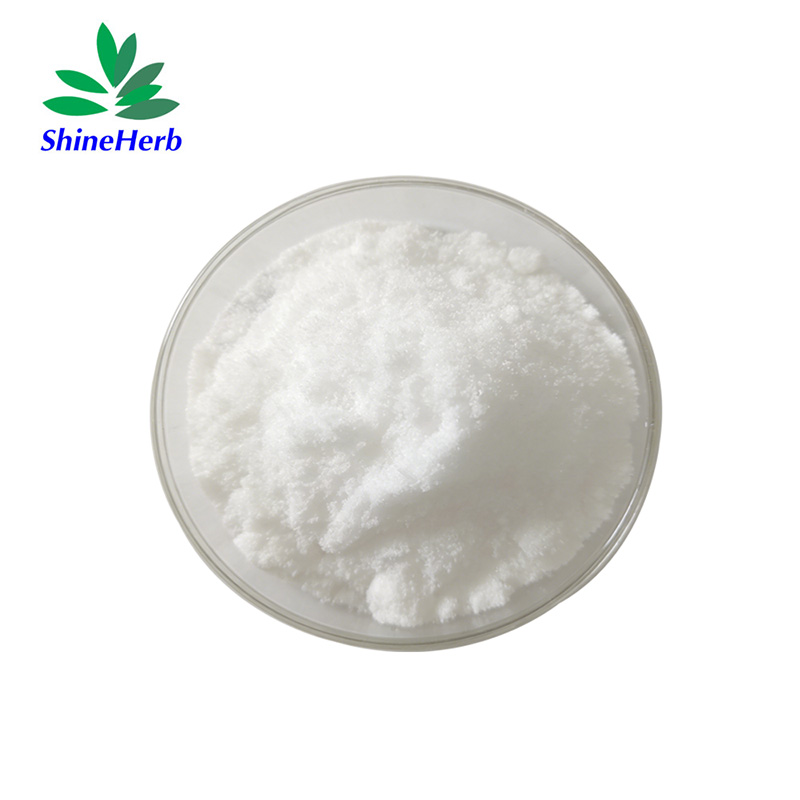
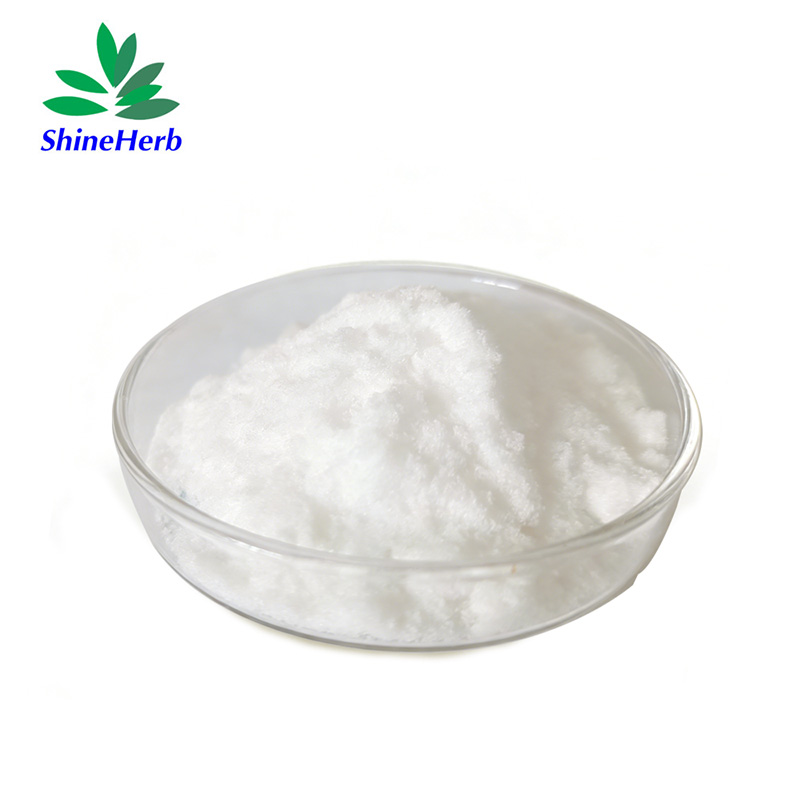
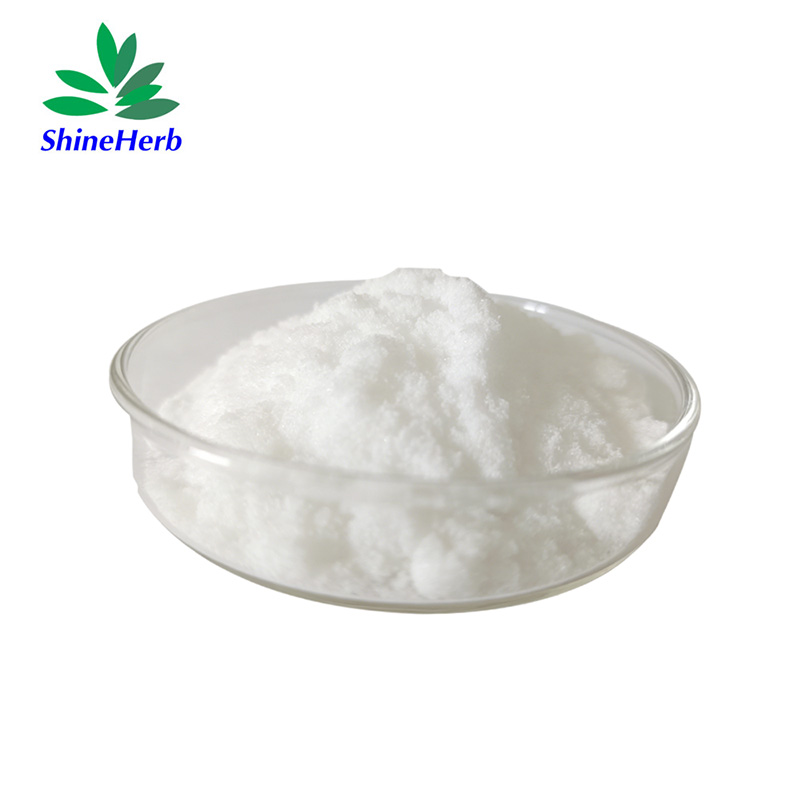
High-Quality Glucosamine Sulfate 2KCl - Joint Health Supplement Ingredient
📑 Product Specifications & Technical Capabilities
Verified laboratory quality parameters, formulation applications, and global regulatory compliance.
Detailed Ingredient Overview
Glucosamine sulfate potassium chloride is a crystalline amino sugar compound formed by the molecular combination of glucosamine base, sulfuric acid, and potassium ions in a stable salt lattice. When combined with chondroitin sulfate, MSM, or botanical extracts, it helps support cartilage maintenance and joint mobility across capsules, tablets, powdered blends, and functional drink applications.
High Absorption & Mild Effect
With Glucosamine Sulfate Potassium Chloride purity above 99% and rapid water solubility, it offers high bioavailability while being gentler on the stomach than sodium-stabilized alternatives.
Cartilage Care & USP Grade
Formulated to support damaged cartilage matrix components and joint tissue elasticity, in full compliance with ISO, EP, and USP analytical criteria.
Direct Supply & Documentation
Factory-direct bulk availability with complete lot documentation, including COA, MSDS, process flow charts, and regulatory support for global compliance.
Comprehensive Amino Sugar Catalog
We bring 20 years of manufacturing and export experience to the glucosamine series, utilizing mature crystallization processes and strict lot tracking across our joint health ingredients:
| Product Name | CAS Number | Standard Specifications |
|---|---|---|
| Glucosamine sulphate | 29031-19-4 | Pharmaceutical / USP Grade |
| Glucosamine (Free Base) | 3416-24-8 | Pure Base Formulation |
| Glucosamine Sulfate Sodium Chloride (NaCl) | 38899-05-7 | USP Standard Assay |
| Glucosamine Sulfate Potassium Chloride (2KCl) | 31284-96-5 | ≥99% White Powder |
| Glucosamine Hydrochloride (HCl) | 66-84-2 | ≥99% High Active Density |
| N-Acetyl-D-Glucosamine (NAG) | 7512-17-6 | Dermal & Synovial Grade |
Direct product questions and bulk quotation requests can be sent to: details.sales@sxshine.com
Dosage Form Compatibility
💊 Nutraceutical Tablets & Hard Capsules
Glucosamine Sulfate 2KCl offers consistent powder flow and compressional stability, making it suitable for both direct compression tableting and high-speed two-piece encapsulation.
🏃 Functional Ready-to-Mix Drinks & Sports Nutrition
Its rapid water dissolution supports clear beverage reconstitution in joint recovery formulas for active adults and seniors.
🐾 Veterinary Joint Chews & Pet Nutrition
Its potassium profile is well-suited for canine and equine mobility chews and dietary supplements.
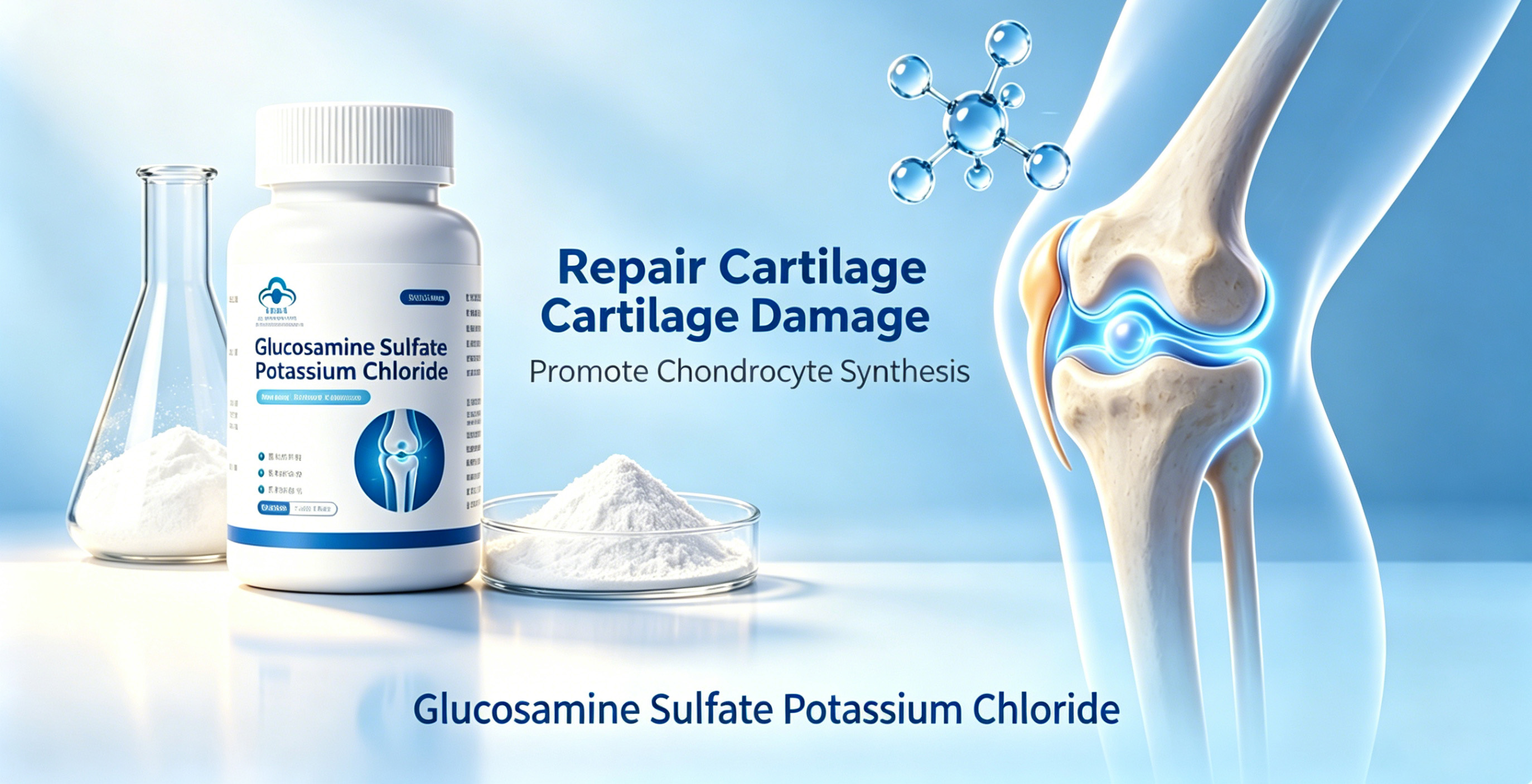
📦 Packaging, Logistics & Transport Logistics
📦 Sample & Small Orders (1 kg)
Double food-grade plastic liner + vacuum aluminum foil bag, packed in an outer carton. Dispatched via express (DHL/FedEx/EMS), typically arriving in 3–7 business days door-to-door.
📦 Pilot Batches (10 – 25 kg)
Double-sealed polyethylene liner inside a 25 kg fiber drum. Shipped via air freight or express courier, delivering in 3–7 days to your designated airport or facility.
🚢 Bulk Commercial Orders (>100 kg)
Standard 25 kg drums loaded on fumigated export pallets with moisture-wrap shrink film. Sent via Air Cargo (3–7 days) or Ocean Freight (10–35 days port-to-port) with full shipping documentation.
⭐ Professional Client Endorsements
“The joint‑support performance of Glucosamine Sulfate 2KCl has far exceeded our expectations in our nutraceutical capsules. After 6‑week human trials, subjects reported a 27% improvement in joint comfort and 30% reduction in joint stiffness indicators. Our end‑users highly value its reliable source, and it fits perfectly with our clean‑label health supplement positioning.”
“We have achieved outstanding results applying Glucosamine Sulfate 2KCl in our pet health product lines. Practical trials demonstrated a 21% reduction in pet joint lameness occurrence and 9% improvement in mobility performance, largely attributed to better cartilage maintenance. Its cost‑advantage versus competing alternatives has greatly lifted our overall profit margins.”
🔬 Verified Certificate of Analysis (USP Compendial Batch)
Representative physical, chemical, and microbiological assay data for Glucosamine Sulfate 2KCl
| Item Description | Standard Specification Limits | Laboratory Test Results |
|---|---|---|
| Appearance / Description | White crystals or crystalline powder | White crystalline powder |
| Identification Tests | 1. Infrared absorption (IR) 2. Chloride and Potassium tests 3. HPLC retention identification 4. Sulfate precipitation reaction |
Conforms completely to reference standards |
| Assay Purity (%) | 98.0% – 102.0% | 99.01% |
| Specific Optical Rotation [α]D20° | +47.0° ~ +53.0° | +51.33° |
| Sulfate Fraction (%) | 15.5% – 16.5% | 16.23% |
| Loss on Drying | ≤ 0.50% | 0.10% |
| Residue on Ignition | 26.5% – 31.0% | 28.5% |
| pH (Aqueous Solution) | 3.5 – 5.0 | 4.20 |
| Chloride Content | 11.2% – 12.8% | 11.2% |
| Bulk Tapped Density | Meets established master standard | 0.85 g/ml |
| Sodium Test | No yellow color observed in nonluminous flame | Conforms (Sodium Free) |
| Arsenic (As) Content | ≤ 3.0 ppm | Conforms (< 3.0 ppm) |
| Total Plate Count | ≤ 1,000 cfu/g | Conforms (< 100 cfu/g) |
| Yeast & Mold Count | ≤ 100 cfu/g | Conforms (< 20 cfu/g) |
| Escherichia Coli | Negative per 10 grams | Negative |
| Salmonella Species | Negative per 25 grams | Negative |
| Analytical Conclusion: Sample material fully complies with the United States Pharmacopeia (USP39) monograph standards. | ||
💡 Frequently Asked Questions (FAQ)
Q1: What are your typical specifications for Glucosamine Sulfate 2KCl?
Our standard production grade complies directly with USP and EP specifications. We maintain an assay purity of ≥98.0% (typically testing at 99.0%+). Mesh size and tapped density can be tailored to meet high-speed direct compression tableting or liquid filling needs. Every batch is supplied with an official Certificate of Analysis (COA) and MSDS documentation.
Q2: What is your MOQ for Glucosamine Sulfate 2KCl?
Our standard commercial minimum order quantity (MOQ) is 25 kg (one standard fiber drum). We also provide 1 kg to 5 kg sample trial orders for pilot batches, R&D trials, stability testing, and process qualification runs.
Q3: Can you provide samples for laboratory testing and batch verification?
Yes. We provide 50 g to 100 g test samples free of charge for qualifying supplement brands and contract manufacturing teams. Clients only need to provide an express courier account number (DHL/FedEx/UPS) or cover the initial freight cost.
Q4: How should a brand choose between Glucosamine Sulfate 2KCl and Glucosamine HCl?
If your formula targets compact capsule volume, complex multi-ingredient profiles (e.g., 5+ ingredients), or smaller tablets, Glucosamine HCl's ~83% active content makes it a practical option. However, if your formula prioritizes clinical heritage, provides a bioavailable sulfur donor, and benefits from a low-sodium profile, Glucosamine Sulfate 2KCl remains an industry benchmark for joint support.