
Why Vitamin B6 Quality Control Is Critical for Global Buyers
When sourcing Vitamin B6 (Pyridoxine HCl) internationally, quality inconsistencies can lead to regulatory failures, product recalls, and financial losses. Understanding which tests, documents, and standards to verify protects your supply chain.
Question 1: Which Analytical Methods Verify Vitamin B6 Content?
Discover the primary and secondary testing methodologies — including HPLC, UV Spectrophotometry, and Titration — used to confirm Pyridoxine HCl purity and Assay values.
Question 2: What Parameters Should Buyers Check on a COA?
Learn exactly which data fields on a Certificate of Analysis (COA) matter most — from Assay percentage and heavy metals to microbial limits and loss on drying.
Question 3: Which Technical Documents & Standards Should Suppliers Provide?
Understand which compliance documents — USP, EP, BP, GMP certificates, MSDS, and more — a qualified Vitamin B6 supplier must furnish before you place an order.
Analytical Methods Used to Verify Vitamin B6 Content
Reputable manufacturers use a combination of validated analytical techniques to confirm the identity, purity, and potency of Pyridoxine HCl. Here are the primary methods international buyers should understand.
HPLC — High-Performance Liquid Chromatography
HPLC is the gold-standard method for determining Vitamin B6 (Pyridoxine HCl) Assay content. It separates, identifies, and quantifies each component in a sample with high precision. Both USP and EP monographs specify HPLC as the primary method for Assay determination, typically requiring a result of 98.0%–101.0% on a dried basis.
USP MethodEP MethodHigh PrecisionUV Spectrophotometry
UV-Vis spectrophotometry measures the absorbance of Pyridoxine HCl at a characteristic wavelength (around 290 nm). It is widely used for rapid Assay screening and identity confirmation. While not as specific as HPLC, it serves as a fast, cost-effective verification tool and is referenced in BP monographs for routine quality checks.
BP MethodIdentity TestRapid ScreeningPotentiometric Titration
Titration methods are used to determine the chloride content and confirm the hydrochloride salt form of Pyridoxine HCl. This is particularly relevant for verifying the correct molecular composition (MW 205.64) and ensuring the product is not adulterated with alternative salt forms or diluted with excipients.
Salt VerificationPurity CheckICP-MS — Heavy Metal Testing
Inductively Coupled Plasma Mass Spectrometry (ICP-MS) is used to detect trace heavy metals including lead (Pb), arsenic (As), mercury (Hg), and cadmium (Cd). USP <232> and EP 5.20 set strict elemental impurity limits. Buyers should confirm that heavy metal results on the COA comply with their target market's pharmacopeial limits.
USP <232>EP 5.20Elemental ImpuritiesLoss on Drying (LOD)
The Loss on Drying test measures residual moisture content in Pyridoxine HCl powder. USP and EP specifications typically require LOD ≤ 0.5%. Excessive moisture can reduce potency, promote microbial growth, and cause caking during storage. LOD is a critical parameter on every COA and should be verified against pharmacopeial limits.
Moisture Control≤0.5% LimitMicrobial Limit Testing
Microbial testing ensures the Vitamin B6 raw material meets safety requirements for Total Aerobic Microbial Count (TAMC), Total Yeast & Mold Count (TYMC), and absence of specified pathogens such as E. coli and Salmonella. These tests follow USP <61>, <62>, EP 2.6.12, and BP methods, and are mandatory for pharmaceutical-grade Pyridoxine HCl.
USP <61>USP <62>Pathogen-FreeWhat Parameters to Check on a Vitamin B6 COA
A Certificate of Analysis (COA) is the primary quality document for any Pyridoxine HCl shipment. Below is a comprehensive breakdown of every parameter buyers should verify — and the acceptable limits according to USP, EP, and BP standards.
| 🧪 Test Parameter | 📏 Specification / Limit | 🔬 Method Reference | ✅ Status Indicator |
|---|---|---|---|
| Assay (Pyridoxine HCl) | 98.0% – 101.0% (dried basis) | HPLC / USP, EP, BP | ✔ Critical |
| Appearance | White to off-white crystalline powder | Visual Inspection | ✔ Required |
| Identification (IR / UV) | Conforms to reference spectrum | IR / UV Spectrophotometry | ✔ Required |
| Loss on Drying (LOD) | ≤ 0.5% | USP <731> / EP 2.2.32 | ✔ Critical |
| Residue on Ignition | ≤ 0.1% | USP <281> / EP 2.4.14 | ✔ Required |
| Heavy Metals (Total) | ≤ 10 ppm | ICP-MS / USP <232> | ✔ Critical |
| Lead (Pb) | ≤ 0.5 ppm | ICP-MS / EP 5.20 | ✔ Critical |
| Arsenic (As) | ≤ 1.5 ppm | ICP-MS | ✔ Critical |
| Chloride Content | 17.0% – 17.6% | Potentiometric Titration | ✔ Required |
| pH (1% solution) | 2.4 – 3.0 | USP <791> / EP 2.2.3 | ✔ Required |
| Total Aerobic Count (TAMC) | ≤ 1000 CFU/g | USP <61> / EP 2.6.12 | ✔ Critical |
| Yeast & Mold (TYMC) | ≤ 100 CFU/g | USP <61> / EP 2.6.12 | ✔ Required |
| E. coli | Absent / 1g | USP <62> | ✔ Critical |
| Salmonella | Absent / 10g | USP <62> | ✔ Critical |
| Related Substances (Impurities) | Each ≤ 0.1%, Total ≤ 0.5% | HPLC | ⚠ Verify |
| Particle Size (if applicable) | As per buyer specification | Laser Diffraction | ⚠ Confirm |
💡 Pro Tip: Always request a batch-specific COA — not a generic template. The COA should include the batch/lot number, manufacturing date, retest/expiry date, and the signature of the Quality Control Manager. Cross-reference the COA data with your own in-house testing or a third-party laboratory for high-volume orders.
Understanding USP, EP & BP Standards for Pyridoxine HCl
International buyers must align their Vitamin B6 procurement with the pharmacopeial standard applicable to their target market. Here's what each standard means for your sourcing decisions.
United States Pharmacopeia
The USP monograph for Pyridoxine HCl specifies Assay 98.0–101.0% by HPLC. Required for FDA-regulated products, dietary supplements (21 CFR), and pharmaceutical finished dosage forms sold in the United States and Canada.
European Pharmacopoeia
The EP monograph (Pyridoxini Hydrochloridum) is mandatory for pharmaceutical products marketed in EU member states and countries recognizing EMA guidelines. EP specifies HPLC Assay, elemental impurities per EP 5.20, and strict microbial limits.
British Pharmacopoeia
The BP monograph aligns closely with EP specifications and is the reference standard for the UK, Australia, and several Commonwealth countries. Post-Brexit, the BP maintains its own independent monograph updates, making it important for UK-market suppliers.
Chinese Pharmacopoeia
The CP (ChP) monograph governs Vitamin B6 production standards in China. Manufacturers exporting globally must comply with their domestic CP while also meeting USP, EP, or BP requirements for international markets.
Food Chemicals Codex
FCC grade Pyridoxine HCl is used in food fortification, beverages, and nutritional products. FCC specifications focus on food-safety parameters and are required for buyers sourcing for food and functional food applications.
Good Manufacturing Practice
GMP certification (ICH Q7, 21 CFR Part 211, EU GMP Annex) ensures the manufacturing process meets international quality system requirements. GMP compliance is non-negotiable for pharmaceutical-grade Pyridoxine HCl procurement.
Technical Documents Every Vitamin B6 Supplier Should Provide
Before placing an order for Pyridoxine HCl, procurement teams should request and review this complete documentation package. Missing documents are a serious red flag in supplier qualification.
Certificate of Analysis (COA)
Batch-specific COA with full test results, lot number, manufacturing date, retest date, and QC manager signature. Must reference USP, EP, or BP specifications.
GMP Certificate
Valid GMP certificate issued by a recognized authority (FDA, EMA, NMPA, or equivalent). Confirms the manufacturing facility meets international pharmaceutical quality standards.
Safety Data Sheet (SDS / MSDS)
Provides handling, storage, transport, and emergency response information for Pyridoxine HCl. Required for customs clearance and workplace safety compliance in most countries.
Technical Data Sheet (TDS)
Detailed product specifications including physical and chemical properties, solubility, storage conditions, and recommended applications for Vitamin B6 / Pyridoxine HCl.
Non-GMO Declaration
Written confirmation that the Pyridoxine HCl is produced without genetically modified organisms. Essential for EU market compliance and clean-label product formulations.
BSE/TSE Free Statement
Declaration confirming no bovine spongiform encephalopathy or transmissible spongiform encephalopathy risk in the manufacturing process. Required for EU pharmaceutical registration.
Third-Party Test Reports
Independent laboratory analysis from accredited third-party labs (ISO 17025 certified) confirming Assay, heavy metals, and microbial results. Adds credibility beyond supplier self-testing.
Certificate of Origin (COO)
Official document certifying the country of manufacture. Required for customs tariff classification, import duty determination, and traceability in regulated markets.
Halal / Kosher Certificates
For buyers serving Muslim or Jewish markets, Halal and Kosher certifications confirm that the Pyridoxine HCl production process meets religious dietary requirements.
Stability Data / Shelf Life Report
ICH Q1A-compliant stability studies confirming the retest period (typically 3–5 years) and recommended storage conditions (cool, dry, away from light) for Vitamin B6 raw material.
Step-by-Step Quality Control Process for Vitamin B6 Procurement
Follow this structured workflow to systematically evaluate Pyridoxine HCl suppliers and ensure every shipment meets your quality requirements.
Supplier Pre-Qualification
Verify GMP certification, regulatory approvals, and production capacity before requesting samples.
Request Sample + COA
Obtain a physical sample with batch-specific COA referencing USP, EP, or BP specifications.
In-House / 3rd Party Testing
Run HPLC Assay, LOD, heavy metals, and microbial tests via ISO 17025-accredited laboratory.
Document Review
Audit the full documentation package: GMP, SDS, TDS, Non-GMO, BSE/TSE, COO, and stability data.
Pilot Order & Audit
Place a pilot order and conduct a virtual or on-site factory audit to verify manufacturing practices.
Ongoing Batch Testing
Implement incoming QC testing for every batch — don't rely solely on supplier-provided COA data.
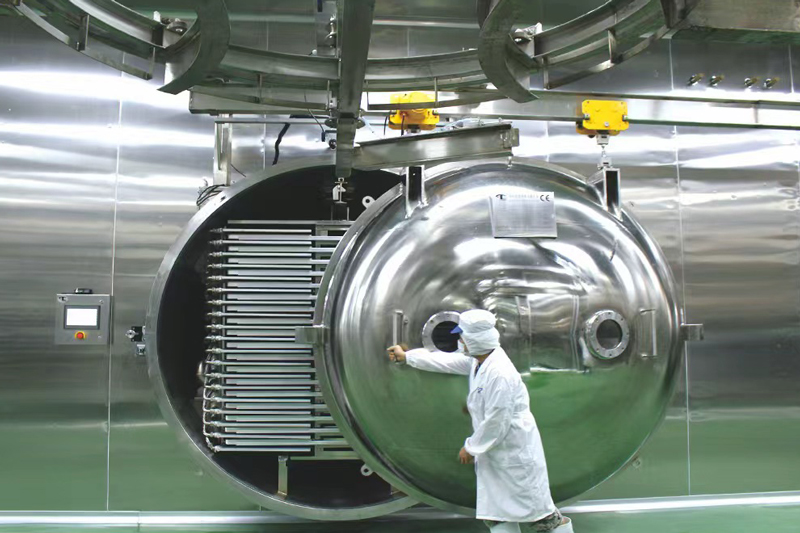
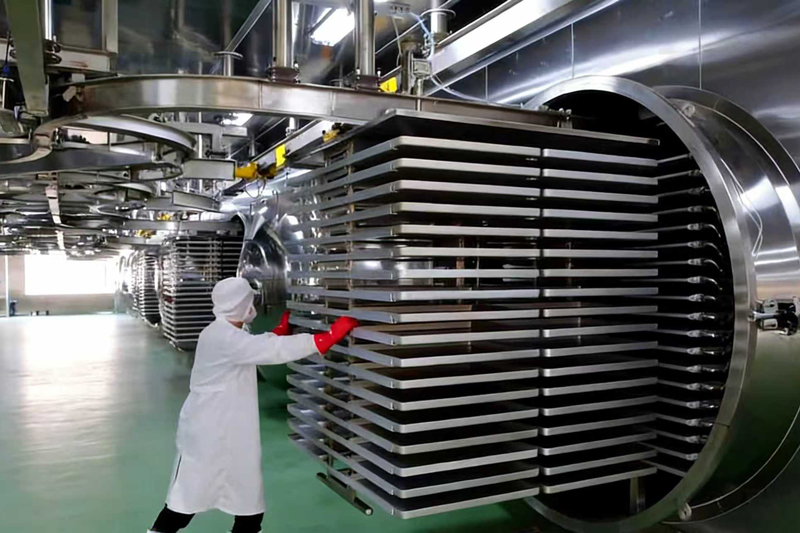
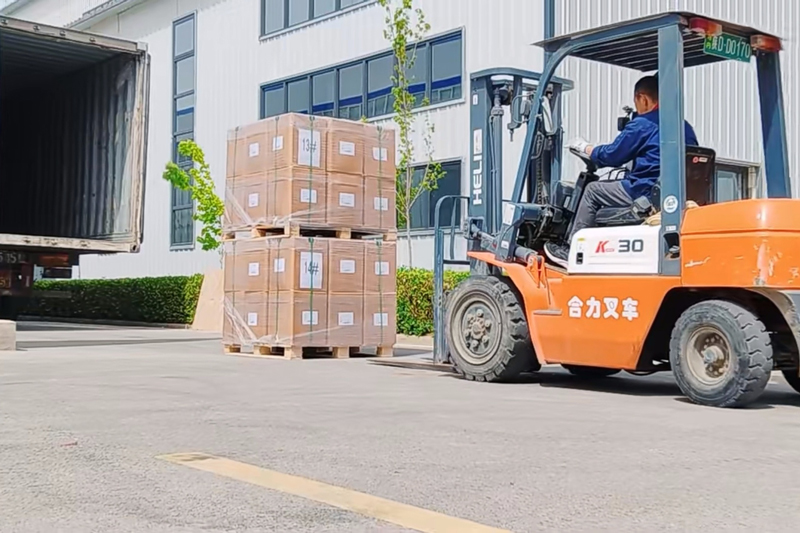
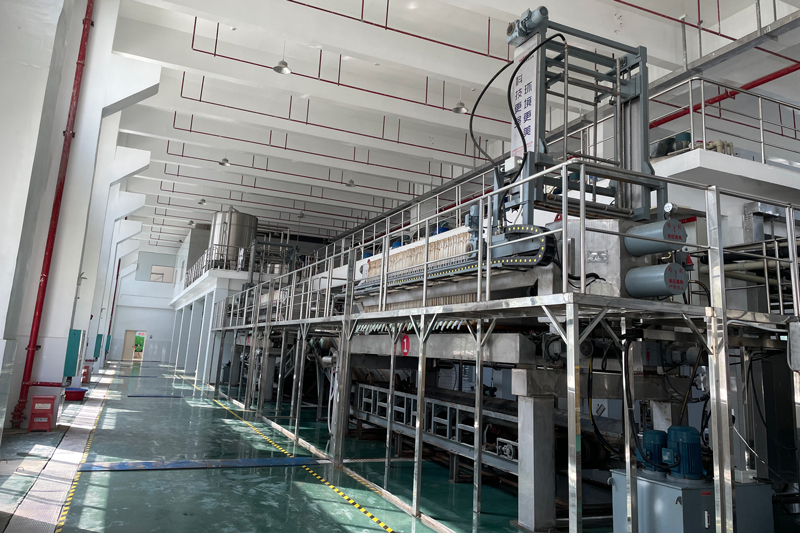
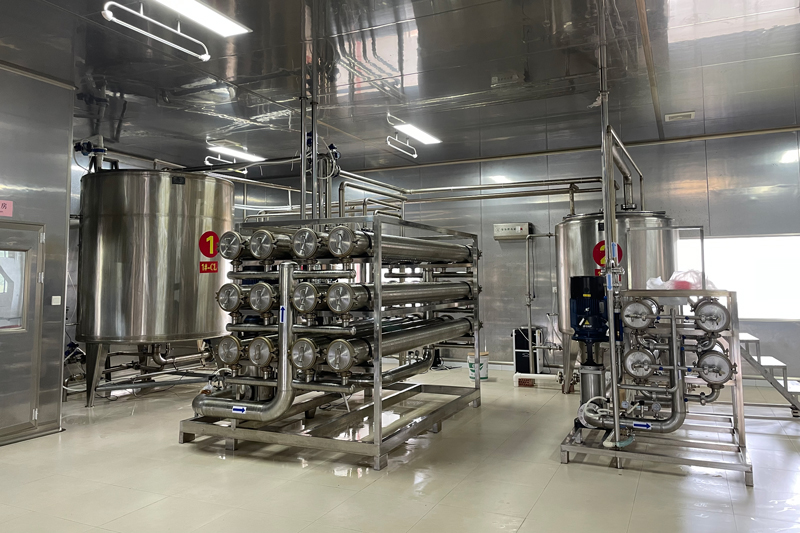
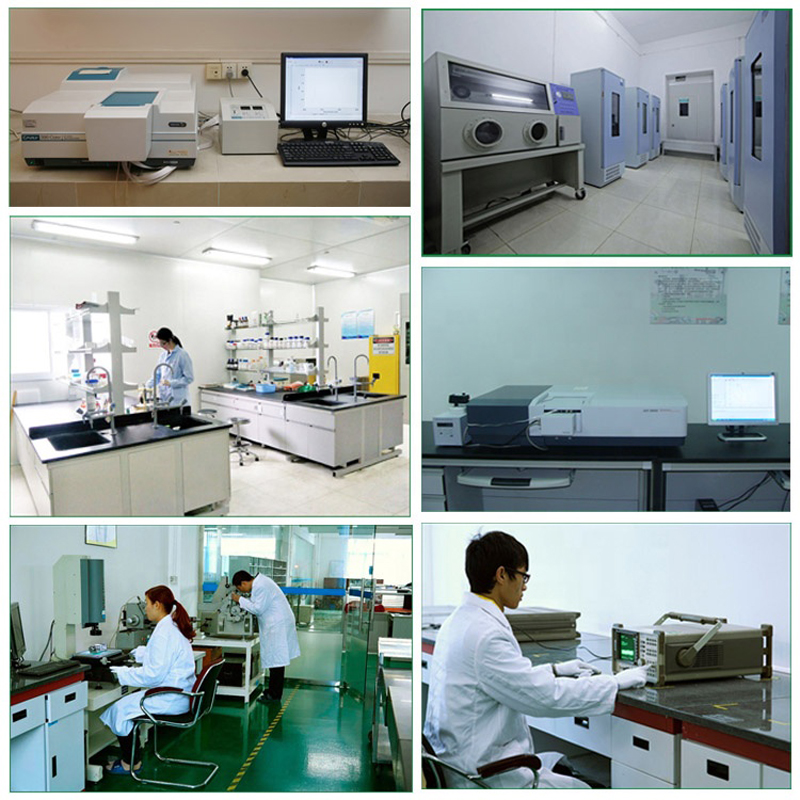
ShineHerb Manufacturing Facility & Quality Infrastructure
Our GMP-certified production facility is equipped with advanced analytical instruments and strictly controlled manufacturing environments to ensure every batch of Vitamin B6 (Pyridoxine HCl) meets international pharmacopeial standards.

🚀 Ready to Source Premium Vitamin B6 (Pyridoxine HCl)?
ShineHerb is a GMP-certified manufacturer supplying pharmaceutical-grade Pyridoxine HCl compliant with USP, EP, and BP standards. We provide complete documentation packages including batch-specific COA with HPLC Assay results, GMP certificates, SDS, TDS, Non-GMO declaration, and third-party test reports — everything your procurement team needs for confident, compliant sourcing.